
Water Damage on the Ceiling: Causes, Warning Signs, and What to Do
This is a subtitle for your new post
Water damage on a ceiling is a problem that should never be ignored. A small water stain, discoloration, or dripping ceiling may indicate a larger issue hidden above the surface. Whether caused by a roof leak, plumbing problem, overflowing appliance, or storm damage, acting quickly can help prevent additional damage and costly repairs.
What Causes Water Damage on a Ceiling?
Several problems can cause water to appear on your ceiling. Some of the most common causes include:
Roof Leaks
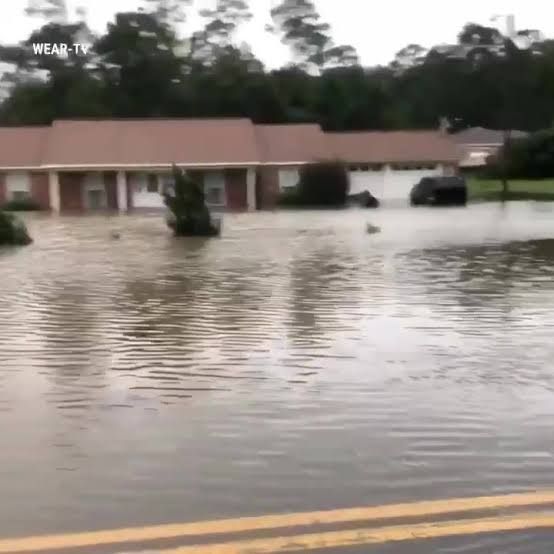
Damaged shingles, broken flashing, clogged gutters, or storm damage can allow rainwater to enter the property and travel into the ceiling.
Plumbing Leaks
If there is a bathroom, kitchen, or plumbing system above the damaged area, a leaking pipe or fixture may be the source of the problem.
HVAC Problems
Air conditioning systems can create condensation. If the drain line is clogged or there is a problem with the HVAC system, water can accumulate and damage ceilings and walls.
Overflowing Appliances or Bathrooms
Overflowing toilets, bathtubs, sinks, or appliances located on an upper floor can cause significant water damage to the ceiling below.
Signs of Water Damage on Your Ceiling
Water damage is not always immediately obvious. Watch for these warning signs:
- Yellow or brown water stains
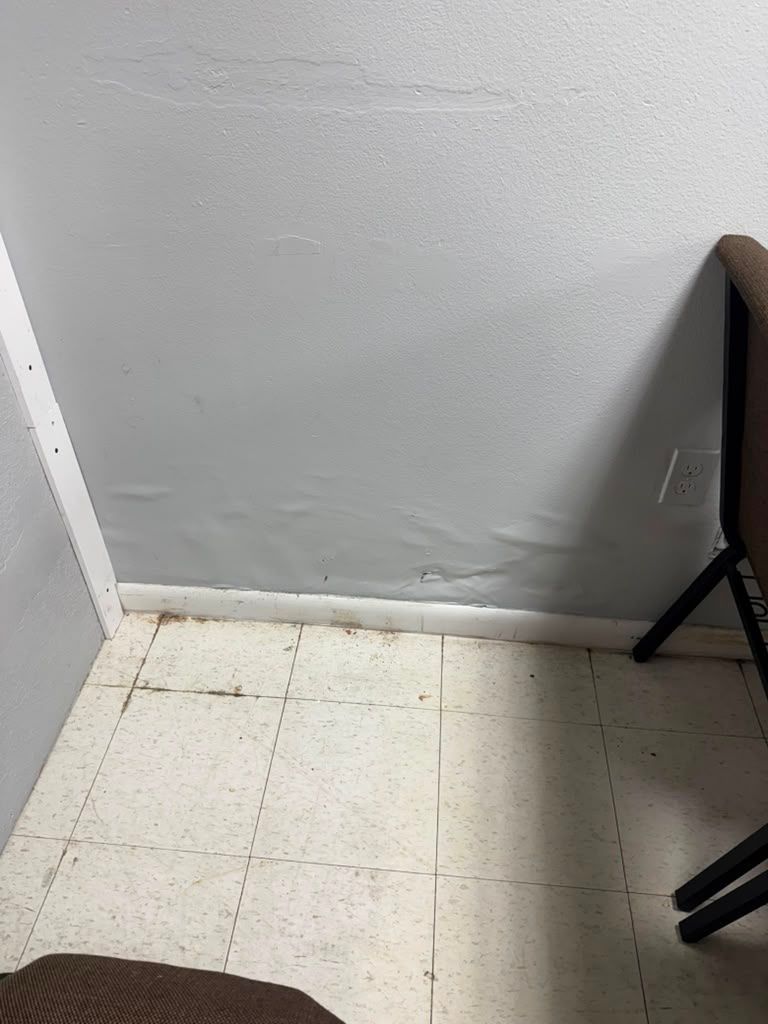
- Peeling or bubbling paint
- Soft or sagging drywall
- Cracks in the ceiling
- Water dripping from the ceiling
- A musty odor
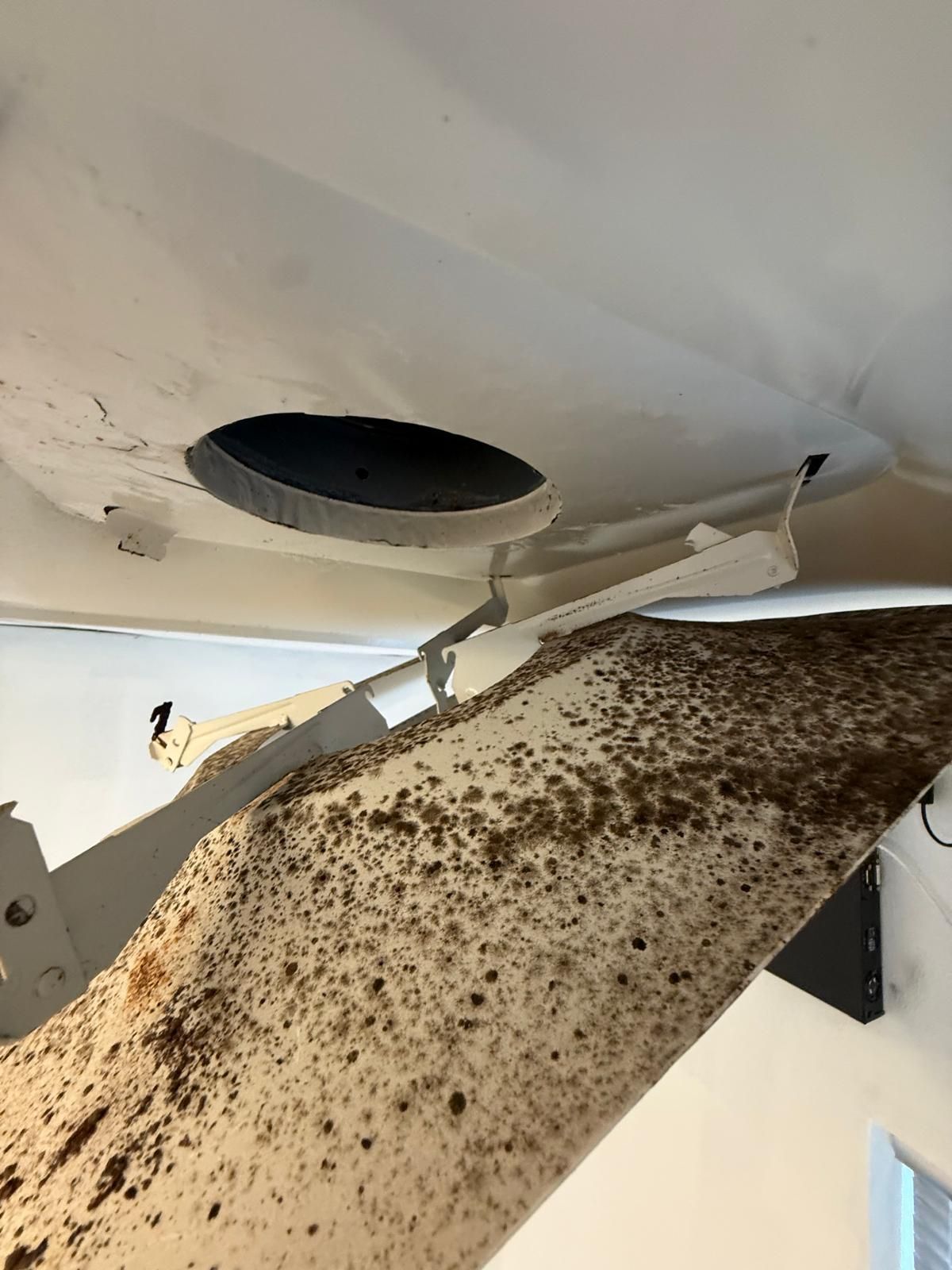
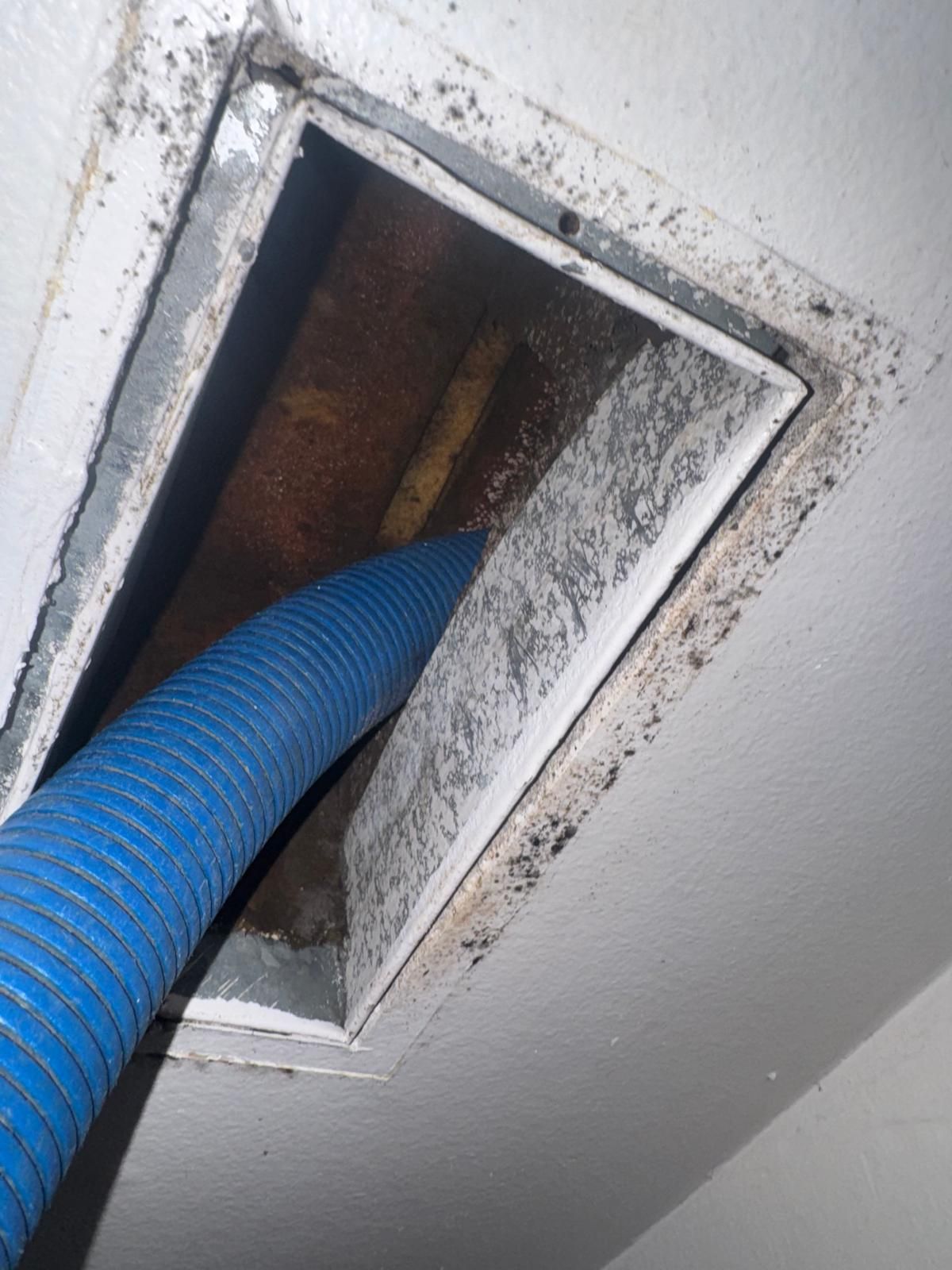
- Visible mold or mildew
If you notice any of these signs, it is important to investigate the source of the water as soon as possible.
Is a Water-Damaged Ceiling Dangerous?
Yes, a water-damaged ceiling can become a safety concern. When drywall absorbs large amounts of water, it can become weak and eventually collapse.
Water damage can also create the right conditions for mold growth. Mold may begin developing in damp materials within a relatively short period, especially in warm and humid environments.
For these reasons, it is important to avoid waiting for the ceiling to dry on its own.
What Should You Do If Water Is Coming Through the Ceiling?
If you discover water damage or active leaking from your ceiling, take these steps:
1. Stop the Source of the Water
If possible, identify whether the water is coming from a plumbing leak, roof leak, appliance, or another source and stop the flow of water.
2. Protect Your Belongings
Move furniture, electronics, and other valuable items away from the affected area.
3. Be Careful Around Electrical Hazards
If water is near light fixtures, electrical outlets, or wiring, avoid touching the area and consider turning off electricity to the affected area if it is safe to do so.
4. Do Not Ignore a Sagging Ceiling
A bulging or sagging ceiling may contain trapped water and could collapse. Keep people away from the affected area.
5. Contact a Professional Water Damage Restoration Company
Professional restoration equipment can help locate hidden moisture, remove water, dry affected materials, and reduce the risk of mold growth.
Why Professional Drying Is Important
Water can travel far beyond the visible stain on your ceiling. Moisture may be hidden inside insulation, walls, flooring, and structural materials.
Professional water damage restoration may include:
- Moisture inspection and detection
- Water extraction
- Structural drying
- Removal of damaged materials when necessary
- Dehumidification
- Air movement and drying equipment
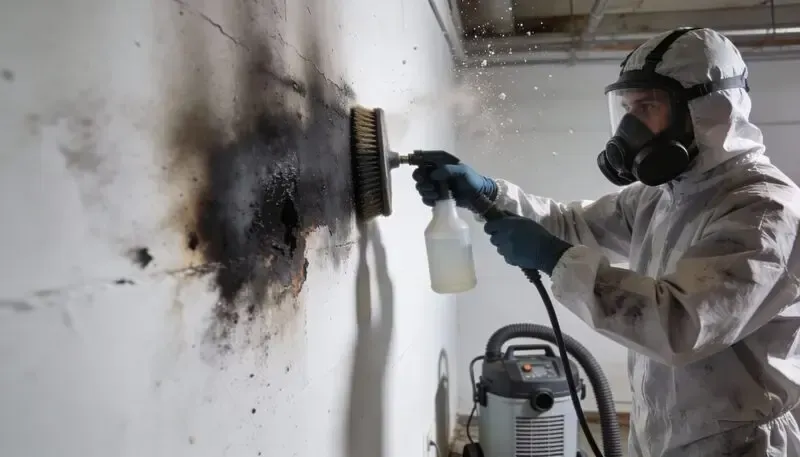
- Mold prevention and remediation when needed
- Documentation of the damage
Proper drying is essential because simply painting over a water stain does not solve the underlying problem.
Preventing Future Ceiling Water Damage
Regular property maintenance can help reduce the risk of future water damage. Consider:
- Inspecting your roof regularly
- Cleaning gutters and downspouts
- Checking plumbing for leaks
- Maintaining your HVAC system
- Inspecting bathrooms and appliances for water leaks
- Addressing water stains immediately
Don't Wait When You See Water Damage
A small stain on the ceiling can become a major problem if the source of the water is not repaired and the affected area is not properly dried.
If you have water damage on your ceiling, acting quickly can help protect your property and reduce the risk of structural damage and mold growth.
Contact a professional water damage restoration company to inspect the affected area and begin the drying and restoration process as soon as possible.