
Best Way Care Restoration

Water Damage Restoration, Fire Damage Restoration & Mold Remediation Services in Orlando, FL and the Surrounding Areas

#MRSR4439    #MRSA4396

  • Water Damage Restoration
  • Fire Damage Restoration
  • Mold Removal & Remediation
  • Drying and Dehumidification
  • Carpet Cleaning
  • Storm Damage Property Clean Up & Repairs
  • Bio-hazard and Trauma Crime Scene Cleanup
  • Floor Replacement & Installation
  • 24/7 Emergency Services
  • Residential Property Restoration
  • Commercial Property Restoration
  • Se Habla Español
  • Mold Re-mediator #MRSR4439
  • Mold Assessor #MRSA4396

Best Way Care Restoration is a locally owned, family run property restoration and carpet cleaning business in Kissimmee that has been servicing all of central Florida for more than 20 years. We specialize in water damage restoration, fire damage restoration, residential and commercial carpet cleaning, floor replacement and more. Our reputation for high-quality service and careful attention to detail is second to none! At Best Way Care Restoration we believe in forging ongoing relationships through quality workmanship and outstanding customer service. To achieve this goal, we offer honest recommendations for property restoration in Kissimmee, Orlando and the neighboring communities, as well as 24/7 emergency response for homes and businesses that have been affected by flooding, storms or other sudden issues. To learn more about our extensive services, or to request an estimate for the cost of carpet cleaning or property clean up, please don’t hesitate to contact our team.


As a local property repair and cleaning business, the entire team at Best Way Care Restoration, led by industry veteran Freddy Varela, takes great pride in assisting our friends and neighbors in Kissimmee, Orlando, Daytona and the neighboring central Florida communities. To ensure we’re able to provide the best possible service we have invested in the latest cleaning technology and participate in ongoing training. We have also become certified by the Institute of Inspection, Cleaning and Restoration Certification, and are members of the Hispanic Chamber of Commerce, Apartment Association of Greater Orlando and the Orlando Claims Association. What this means for you is that when you hire our nearby cleaning company, licensed and insured technicians who will work with your own insurance will service your home or business in the utmost professional manner. We encourage you to give Best Way Care Restoration a call at 407-680-3438 to learn more about our qualifications, services and prices for property damage restoration in Kissimmee or a nearby town. Our team is available day or night to care for your home or office in the event of an emergency.

We Work with Insurance & Pay Your Deductible to reduce stress during this time, our team of experts will assist with your insurance claim by dealing directly with your insurance company and we pay for your deductible. Don’t hesitate to contact us to learn more about our business and home insurance repair services.

Florida DBPR logo: Blue letters
Logo for the Institute of Inspection Cleaning and Restoration Certification (IICRC). Features a stylized globe and text.
NORMI logo with a green circle and a blue and white flag. Text below reads “NATIONAL ORGANIZATION OF REMEDIATORS AND MOLD INSPECTORS”.
Logo for NATC International Inc., the National Association of Training & Environmental Consulting, with a globe and flag graphic.
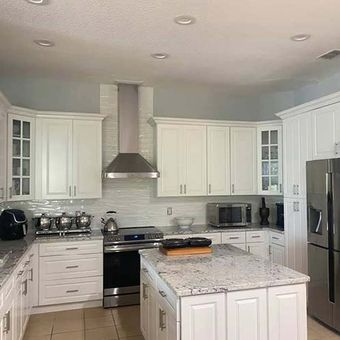
White kitchen with granite countertops, stainless steel appliances, and island.

Professional property restoration services in Kissimmee and throughout central Florida.
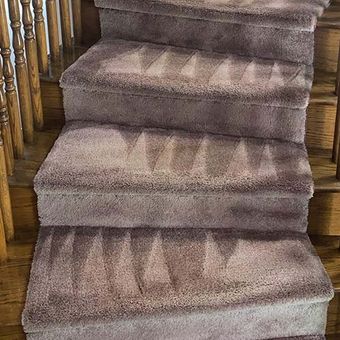
Carpeted staircase with a zig-zag pattern, light brown color, wooden banister.

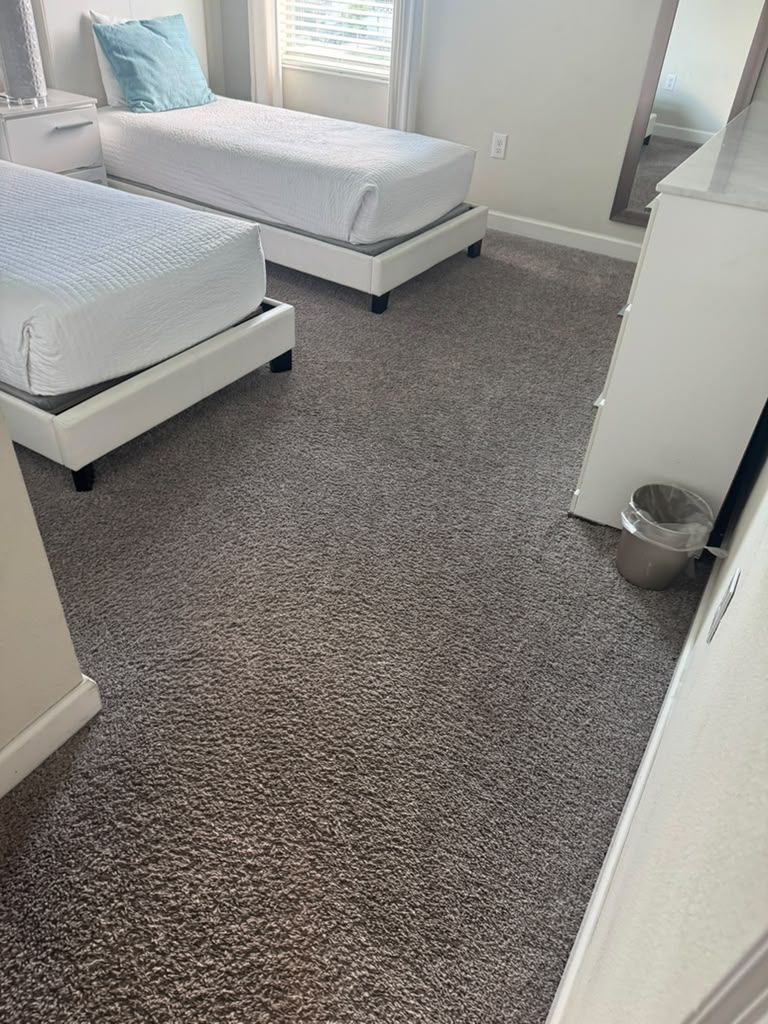
Exceptional carpet restoration and cleaning for all residential and commercial properties.
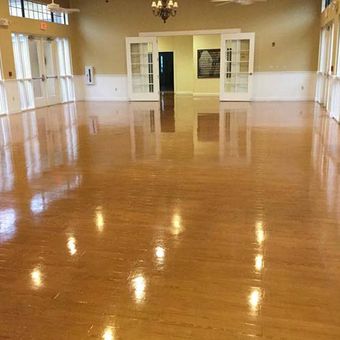
Empty, shiny hardwood floor in a large, well-lit room with white walls, doors, and curtains.

We encourage you to check out some of our projects and learn about our services.


Best Way Care Restoration Blog
By Bestway Restoration May 21, 2026
A burst pipe can turn a normal day into a stressful emergency within minutes. Water damage spreads quickly, affecting floors, walls, furniture, electrical systems, and even your home’s structure. Acting fast can dramatically reduce repair costs and prevent mold growth. Here’s a practical step-by-step guide on what to do immediately after a pipe bursts. 1. Shut Off the Water Supply Immediately The first priority is stopping the flow of water. Locate your home’s main water shut-off valve and turn it off right away. In most homes, it’s located: Near the water meter In a basement or crawl space Along an exterior wall In a utility room or garage If the burst is isolated to a single fixture, you may be able to shut off only that section instead of the entire home. The faster you stop the water, the less damage your home will suffer. 2. Turn Off Electricity in Affected Areas Water and electricity are a dangerous combination. If water is near: Electrical outlets Appliances Breaker panels Extension cords turn off power to the affected area from your electrical panel. Do not stand in water while handling electrical switches. If you’re unsure whether it’s safe, contact an electrician or emergency services. 3. Drain Remaining Water From Pipes After shutting off the main valve, open all cold-water faucets to drain remaining water from the system. Then: Flush toilets Open hot-water taps Turn off the water heater if necessary This helps relieve pressure in the plumbing system and minimizes additional leaking. 4. Find the Burst Pipe Inspect your home to locate the damaged pipe. Common signs include: Water stains Bulging ceilings Damp drywall Puddles Reduced water pressure Hissing or dripping sounds Burst pipes commonly occur: Under sinks Inside walls In attics In basements Near exterior walls during freezing temperatures Take photos of the damage for insurance documentation. 5. Call a Licensed Plumber Even small pipe bursts can worsen if improperly repaired. A professional plumber can: Repair or replace damaged pipes Inspect for hidden leaks Check water pressure Prevent future failures If the damage is severe, look for emergency plumbing services that offer 24/7 support. 6. Start Removing Water Immediately Standing water can cause structural damage and mold growth in as little as 24–48 hours. Use: Towels and mops Wet/dry vacuums Fans Dehumidifiers Move furniture, rugs, electronics, and valuables away from wet areas whenever possible. For major flooding, professional water mitigation services may be necessary. 7. Prevent Mold Growth Moisture trapped behind walls and under flooring creates the perfect environment for mold. To reduce the risk: Increase airflow with fans Run dehumidifiers continuously Remove soaked carpeting or insulation Dry affected areas thoroughly If you notice musty odors or visible mold, contact a mold remediation specialist. 8. Contact Your Insurance Company Many homeowners insurance policies cover sudden water damage from burst pipes, though coverage varies. When filing a claim: Document all damage with photos and videos Keep receipts for emergency repairs Record conversations with contractors and insurers Be prepared to explain: When the pipe burst What caused it What actions you took immediately afterward 9. Inspect for Long-Term Damage Even after repairs are complete, monitor your home for lingering issues such as: Warped flooring Peeling paint Ceiling stains Persistent dampness Musty smells These may indicate hidden water damage that requires additional repairs. 10. Prevent Future Pipe Bursts Once the emergency is over, take steps to reduce the risk of another burst pipe. Prevention Tips Insulate exposed pipes Keep indoor temperatures consistent during winter Seal drafts near plumbing Let faucets drip during freezing weather Replace aging pipes Schedule regular plumbing inspections Preventive maintenance is far less expensive than emergency water damage restoration. Final Thoughts A burst pipe can feel overwhelming, but quick action makes a major difference. Shutting off water, protecting your home from further damage, and calling the right professionals can save thousands in repairs. Preparation also matters. Knowing where your shut-off valve is and understanding the basics of emergency response can help you act confidently when every minute counts. The sooner you respond, the better your chances of minimizing damage and getting your home back to normal quickly. 
By Bestway Restoration May 21, 2026
A burst pipe can turn a normal day into a stressful emergency within minutes. Water damage spreads quickly, affecting floors, walls, furniture, electrical systems, and even your home’s structure. Acting fast can dramatically reduce repair costs and prevent mold growth. Here’s a practical step-by-step guide on what to do immediately after a pipe bursts. 1. Shut Off the Water Supply Immediately The first priority is stopping the flow of water. Locate your home’s main water shut-off valve and turn it off right away. In most homes, it’s located: Near the water meter In a basement or crawl space Along an exterior wall In a utility room or garage If the burst is isolated to a single fixture, you may be able to shut off only that section instead of the entire home. The faster you stop the water, the less damage your home will suffer. 2. Turn Off Electricity in Affected Areas Water and electricity are a dangerous combination. If water is near: Electrical outlets Appliances Breaker panels Extension cords turn off power to the affected area from your electrical panel. Do not stand in water while handling electrical switches. If you’re unsure whether it’s safe, contact an electrician or emergency services. 3. Drain Remaining Water From Pipes After shutting off the main valve, open all cold-water faucets to drain remaining water from the system. Then: Flush toilets Open hot-water taps Turn off the water heater if necessary This helps relieve pressure in the plumbing system and minimizes additional leaking. 4. Find the Burst Pipe Inspect your home to locate the damaged pipe. Common signs include: Water stains Bulging ceilings Damp drywall Puddles Reduced water pressure Hissing or dripping sounds Burst pipes commonly occur: Under sinks Inside walls In attics In basements Near exterior walls during freezing temperatures Take photos of the damage for insurance documentation. 5. Call a Licensed Plumber Even small pipe bursts can worsen if improperly repaired. A professional plumber can: Repair or replace damaged pipes Inspect for hidden leaks Check water pressure Prevent future failures If the damage is severe, look for emergency plumbing services that offer 24/7 support. 6. Start Removing Water Immediately Standing water can cause structural damage and mold growth in as little as 24–48 hours. Use: Towels and mops Wet/dry vacuums Fans Dehumidifiers Move furniture, rugs, electronics, and valuables away from wet areas whenever possible. For major flooding, professional water mitigation services may be necessary. 7. Prevent Mold Growth Moisture trapped behind walls and under flooring creates the perfect environment for mold. To reduce the risk: Increase airflow with fans Run dehumidifiers continuously Remove soaked carpeting or insulation Dry affected areas thoroughly If you notice musty odors or visible mold, contact a mold remediation specialist. 8. Contact Your Insurance Company Many homeowners insurance policies cover sudden water damage from burst pipes, though coverage varies. When filing a claim: Document all damage with photos and videos Keep receipts for emergency repairs Record conversations with contractors and insurers Be prepared to explain: When the pipe burst What caused it What actions you took immediately afterward 9. Inspect for Long-Term Damage Even after repairs are complete, monitor your home for lingering issues such as: Warped flooring Peeling paint Ceiling stains Persistent dampness Musty smells These may indicate hidden water damage that requires additional repairs. 10. Prevent Future Pipe Bursts Once the emergency is over, take steps to reduce the risk of another burst pipe. Prevention Tips Insulate exposed pipes Keep indoor temperatures consistent during winter Seal drafts near plumbing Let faucets drip during freezing weather Replace aging pipes Schedule regular plumbing inspections Preventive maintenance is far less expensive than emergency water damage restoration. Final Thoughts A burst pipe can feel overwhelming, but quick action makes a major difference. Shutting off water, protecting your home from further damage, and calling the right professionals can save thousands in repairs. Preparation also matters. Knowing where your shut-off valve is and understanding the basics of emergency response can help you act confidently when every minute counts. The sooner you respond, the better your chances of minimizing damage and getting your home back to normal quickly. 

Some of Our Google Reviews