How Trees and Plants Growing Against Your Home Can Cause Water Damage and Mold

Bestway Restoration • September 9, 2026

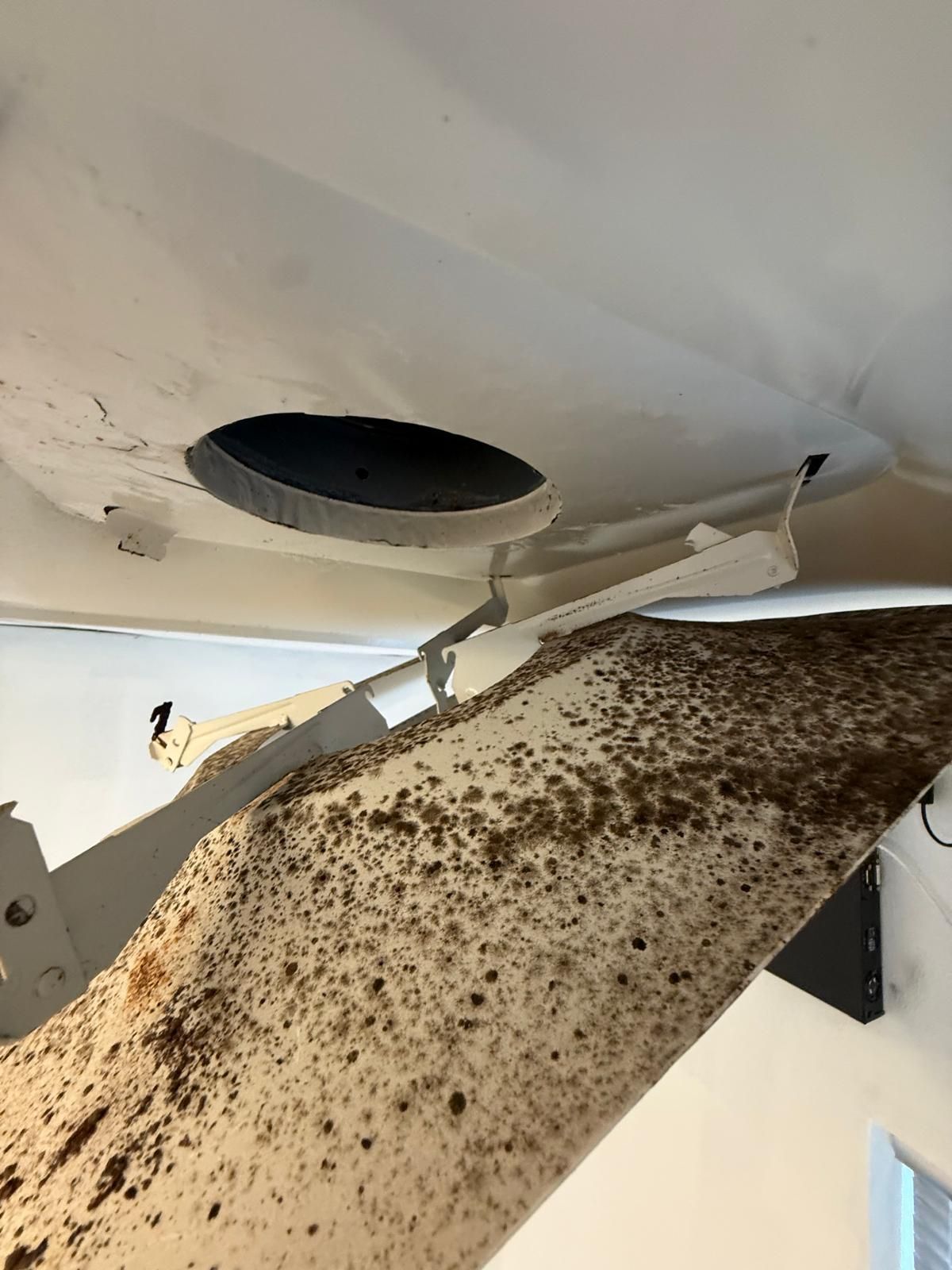
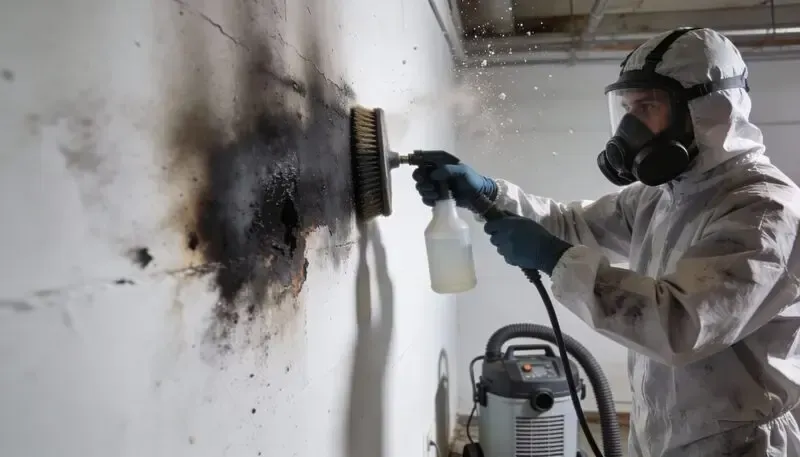
Trees, vines, bushes, and other plants add beauty to your property, but when vegetation grows too close to your home, it can create hidden moisture problems. Plants growing against or into your siding, roofline, soffits, or other exterior areas can trap moisture and create an environment where mold can develop.

In Florida, where humidity, heavy rain, and storms are common, these problems can become even more serious.

How Can Plants Cause Water Damage?

When vines, branches, or other vegetation grow against your siding, they can prevent the exterior of your home from properly drying after rain. Leaves and plant material can also trap water against the wall.

Over time, moisture can find its way behind the siding or through small openings and damaged areas.

This may lead to:

  • Water intrusion
  • Damaged siding
  • Deteriorated wood
  • Moisture inside walls
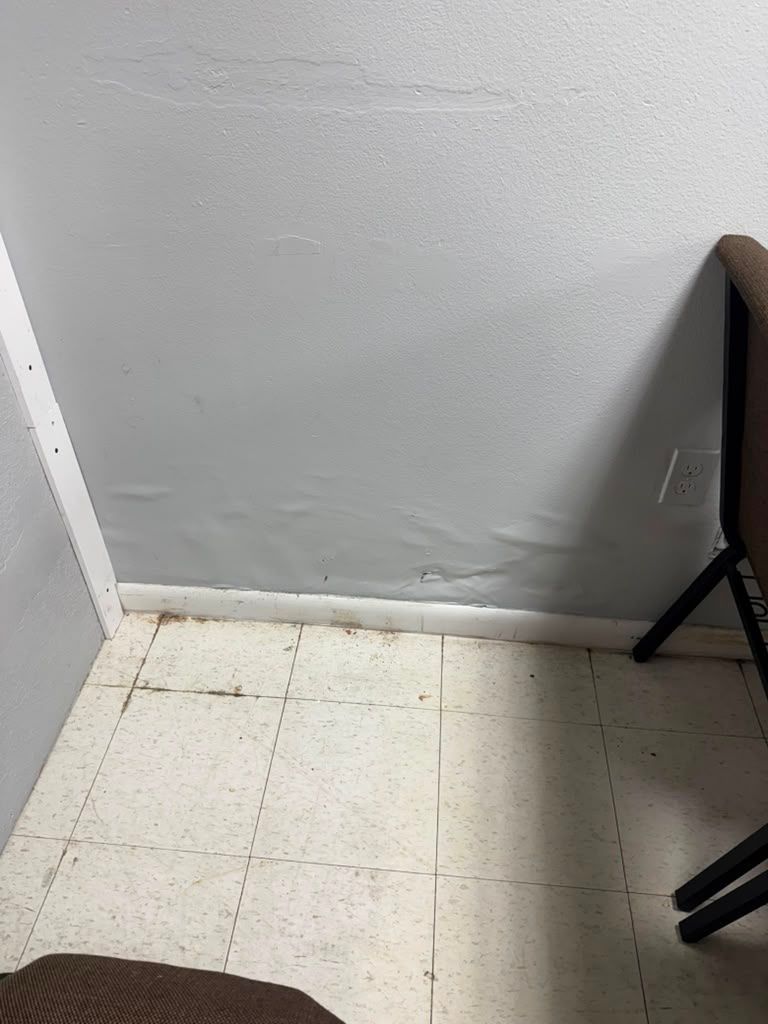
  • Mold and mildew growth
  • Musty odors
  • Damage to insulation and other building materials

What may look like a simple landscaping issue can eventually become a much larger restoration problem.

Vegetation Can Also Affect Your Soffits and Attic

One area homeowners often overlook is the soffit and attic.

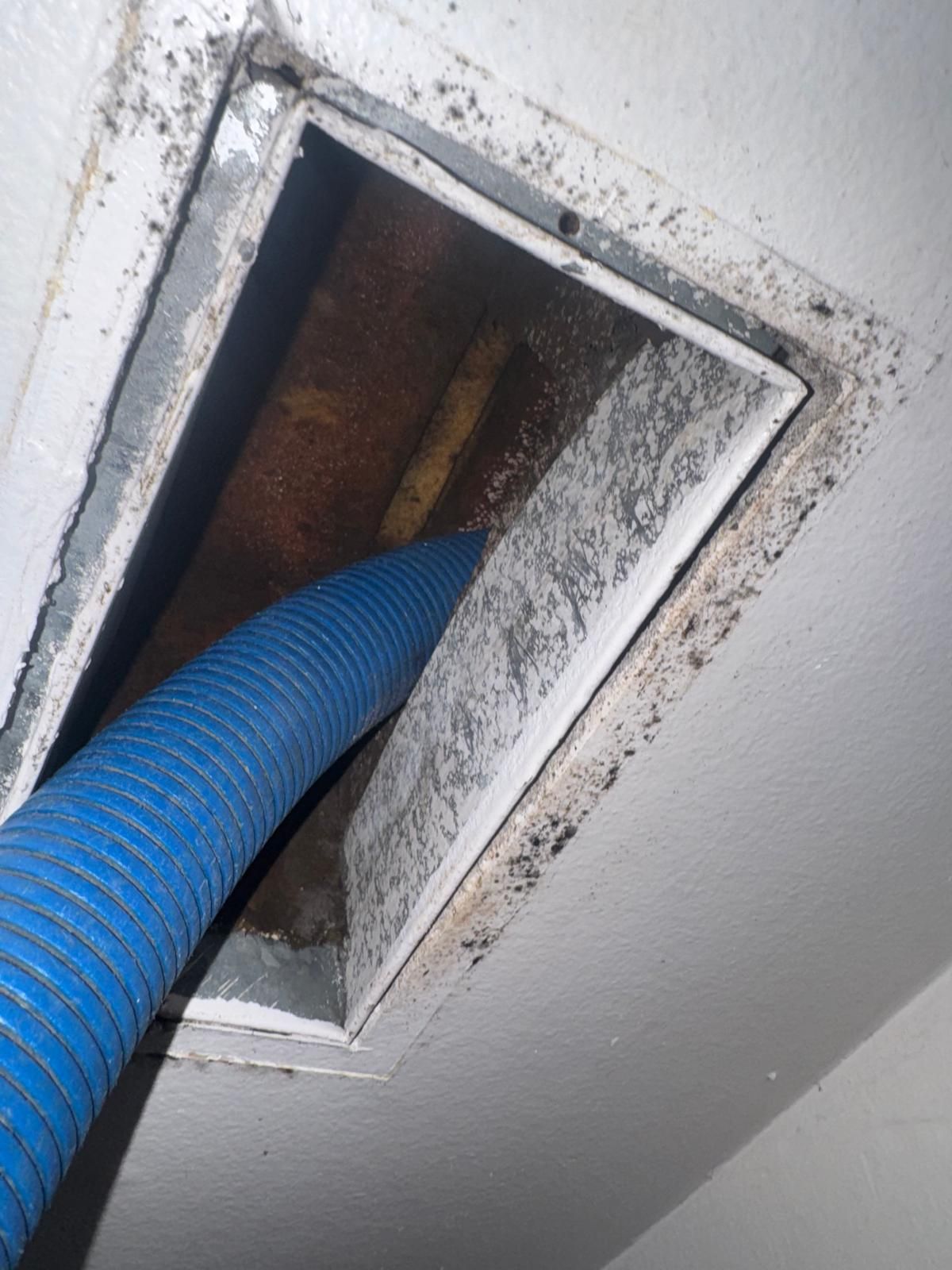
When trees, vines, or other plants grow close to the roof and soffit areas, they can contribute to moisture entering or becoming trapped around these areas. Damaged or compromised soffits can allow moisture to reach the attic.

Once moisture enters the attic, it can affect:

  • Roof sheathing
  • Attic insulation
  • Wood framing
  • Ventilation areas
  • Electrical components
  • Other building materials

A damp attic can become an ideal environment for mold growth.

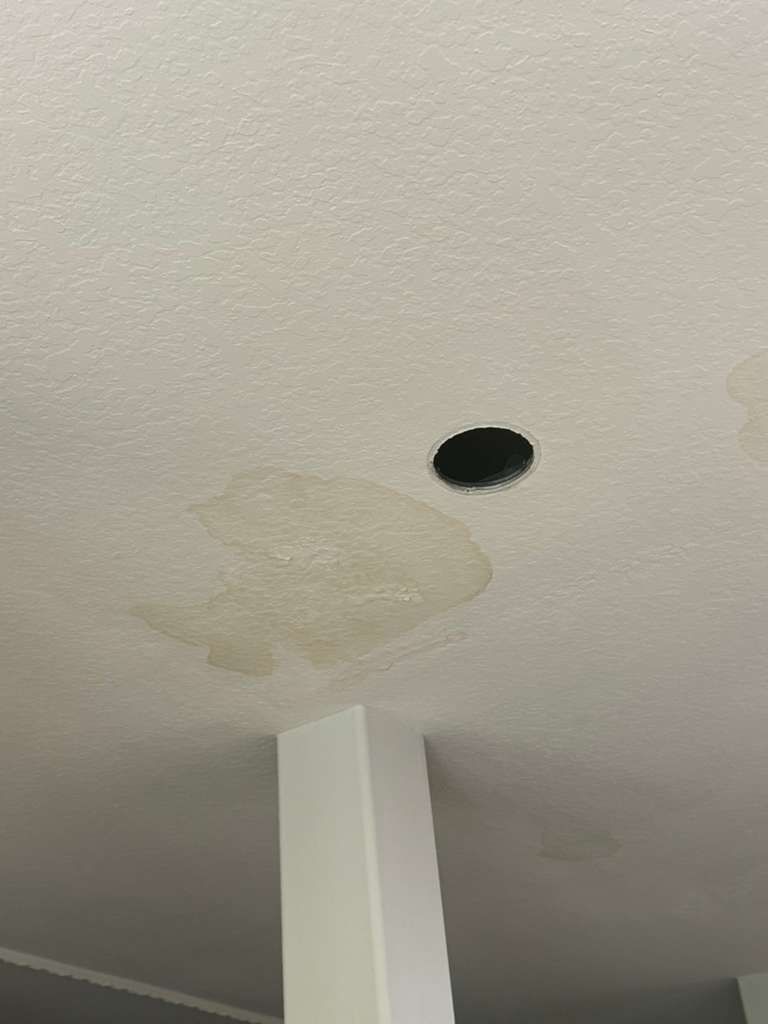
In some cases, homeowners may not notice a problem until they see staining on the ceiling, notice a musty smell, or discover visible mold.

Why Florida Homes Are Especially Vulnerable

Florida's combination of high humidity, frequent rain, tropical storms, and intense heat can make moisture problems develop quickly.

Vegetation that stays wet against the exterior of your home can prevent surfaces from drying properly. During periods of heavy rain, water can also enter through vulnerable areas around siding, soffits, roof edges, windows, and other openings.

That is why regular inspection and maintenance are important.

Signs You May Have a Moisture or Mold Problem

Look for warning signs such as:

  • Plants or vines growing into or behind the siding
  • Tree branches touching the roof
  • Vegetation growing around soffits
  • Damaged, loose, or swollen siding
  • Staining on exterior walls
  • Water stains on interior ceilings or walls
  • Musty odors
  • Damp or wet insulation in the attic
  • Visible mold or mildew
  • Soft or deteriorated wood
  • Increased humidity inside the home

If you notice any of these signs, it is important to address the moisture source—not just clean the visible mold.

Don't Ignore the Source of the Problem

Removing visible mold without identifying where the moisture is coming from may allow the problem to return.

If vegetation has been growing against your home, the affected siding, soffit, roofline, wall cavity, or attic should be inspected to determine whether moisture has entered the structure.

Properly addressing the source of the moisture is an important part of preventing additional damage and mold growth.

Protect Your Home From Moisture and Mold

Keep trees, vines, and bushes properly trimmed away from your home. Regularly inspect your siding, roofline, soffits, gutters, and attic for signs of moisture or damage.

If you suspect water damage, moisture intrusion, or mold, contact a professional restoration company for an inspection.

Early detection can help prevent a small moisture problem from becoming a much more expensive restoration project.

Don't wait until you see mold to take action. Protect your home by addressing moisture problems early.
By Bestway Restoration September 2, 2026
Water damage on a ceiling is a problem that should never be ignored. A small water stain, discoloration, or dripping ceiling may indicate a larger issue hidden above the surface. Whether caused by a roof leak, plumbing problem, overflowing appliance, or storm damage, acting quickly can help prevent additional damage and costly repairs. What Causes Water Damage on a Ceiling? Several problems can cause water to appear on your ceiling. Some of the most common causes include: Roof Leaks Damaged shingles, broken flashing, clogged gutters, or storm damage can allow rainwater to enter the property and travel into the ceiling. Plumbing Leaks If there is a bathroom, kitchen, or plumbing system above the damaged area, a leaking pipe or fixture may be the source of the problem. HVAC Problems Air conditioning systems can create condensation. If the drain line is clogged or there is a problem with the HVAC system, water can accumulate and damage ceilings and walls. Overflowing Appliances or Bathrooms Overflowing toilets, bathtubs, sinks, or appliances located on an upper floor can cause significant water damage to the ceiling below. Signs of Water Damage on Your Ceiling Water damage is not always immediately obvious. Watch for these warning signs: Yellow or brown water stains Peeling or bubbling paint Soft or sagging drywall Cracks in the ceiling Water dripping from the ceiling A musty odor Visible mold or mildew If you notice any of these signs, it is important to investigate the source of the water as soon as possible. Is a Water-Damaged Ceiling Dangerous? Yes, a water-damaged ceiling can become a safety concern. When drywall absorbs large amounts of water, it can become weak and eventually collapse. Water damage can also create the right conditions for mold growth. Mold may begin developing in damp materials within a relatively short period, especially in warm and humid environments. For these reasons, it is important to avoid waiting for the ceiling to dry on its own. What Should You Do If Water Is Coming Through the Ceiling? If you discover water damage or active leaking from your ceiling, take these steps: 1. Stop the Source of the Water If possible, identify whether the water is coming from a plumbing leak, roof leak, appliance, or another source and stop the flow of water. 2. Protect Your Belongings Move furniture, electronics, and other valuable items away from the affected area. 3. Be Careful Around Electrical Hazards If water is near light fixtures, electrical outlets, or wiring, avoid touching the area and consider turning off electricity to the affected area if it is safe to do so. 4. Do Not Ignore a Sagging Ceiling A bulging or sagging ceiling may contain trapped water and could collapse. Keep people away from the affected area. 5. Contact a Professional Water Damage Restoration Company Professional restoration equipment can help locate hidden moisture, remove water, dry affected materials, and reduce the risk of mold growth. Why Professional Drying Is Important Water can travel far beyond the visible stain on your ceiling. Moisture may be hidden inside insulation, walls, flooring, and structural materials. Professional water damage restoration may include: Moisture inspection and detection Water extraction Structural drying Removal of damaged materials when necessary Dehumidification Air movement and drying equipment Mold prevention and remediation when needed Documentation of the damage Proper drying is essential because simply painting over a water stain does not solve the underlying problem. Preventing Future Ceiling Water Damage Regular property maintenance can help reduce the risk of future water damage. Consider: Inspecting your roof regularly Cleaning gutters and downspouts Checking plumbing for leaks Maintaining your HVAC system Inspecting bathrooms and appliances for water leaks Addressing water stains immediately Don't Wait When You See Water Damage A small stain on the ceiling can become a major problem if the source of the water is not repaired and the affected area is not properly dried. If you have water damage on your ceiling, acting quickly can help protect your property and reduce the risk of structural damage and mold growth. Contact a professional water damage restoration company to inspect the affected area and begin the drying and restoration process as soon as possible.
By Bestway Restoration August 26, 2026
New Title
By Bestway Restoration August 19, 2026
A fire can leave behind much more than visible damage. Even after the flames are extinguished, smoke, soot, and strong odors can continue affecting your home, belongings, and indoor environment. Professional smoke damage restoration is an important step in returning your property to a safe and livable condition. 1. Inspection and Damage Assessment The first step is a thorough inspection of the property. Restoration professionals identify areas affected by smoke and soot, determine the type and extent of the damage, and evaluate walls, ceilings, flooring, furniture, and personal belongings. This assessment helps create a restoration plan based on the specific needs of the property. 2. Soot and Smoke Residue Removal Smoke can leave a layer of soot and residue on many surfaces throughout the property. Depending on the materials and type of smoke, specialized cleaning methods and products may be required. Professional cleaning helps prevent soot from causing additional staining, discoloration, or damage to surfaces. 3. Cleaning Walls, Ceilings, and Surfaces Smoke residue can settle on walls, ceilings, cabinets, floors, and other surfaces. Restoration technicians use appropriate cleaning techniques to remove residue while protecting the affected materials. In some cases, surfaces may require additional treatment or restoration. 4. Smoke Odor Removal Smoke odors can remain long after visible soot has been cleaned. Odors may penetrate walls, furniture, carpets, fabrics, and other porous materials. Professional restoration companies use specialized odor-removal techniques and equipment to treat affected areas and reduce persistent smoke odors. 5. Cleaning and Restoring Belongings Furniture, clothing, documents, and other personal belongings may also be affected by smoke and soot. Depending on the condition of each item, professional cleaning and restoration techniques may help recover items that might otherwise need to be discarded. 6. Air Cleaning and Deodorization Smoke particles can affect the indoor environment. Professional air-cleaning equipment can help remove airborne particles and improve the air inside the property during the restoration process. Proper ventilation and specialized filtration may be used as part of the overall restoration plan. 7. Final Inspection After cleaning and restoration are completed, the property should be inspected again to ensure that affected areas have been properly addressed. The goal is to restore the property as completely as possible and help homeowners move forward after a fire. Why Professional Smoke Restoration Matters Smoke damage can be more extensive than what is visible. Smoke and soot can travel through a property and affect areas away from the original fire. Trying to clean everything yourself can also spread soot or permanently damage certain materials if the wrong cleaning products or techniques are used. A professional restoration team has the equipment, experience, and specialized cleaning methods needed to address smoke, soot, and odor damage properly. Don't Wait to Address Smoke Damage The sooner smoke damage is addressed, the better. Smoke residue and odors can become more difficult to remove over time and may cause additional damage to certain materials. If your home or business has experienced fire or smoke damage, contact a professional restoration company for an inspection and restoration plan. Need help after a fire? Our team is ready to help with smoke, soot, and fire damage restoration. Contact us today to schedule an assessment and take the first step toward restoring your property. #SmokeDamage #SmokeRestoration #FireDamageRestorati
By Bestway Restoration August 12, 2026
The body content of your post goes here. To edit this text, click on it and delete this default text and start typing your own or paste your own from a different source.
By Bestway Restoration August 4, 2026
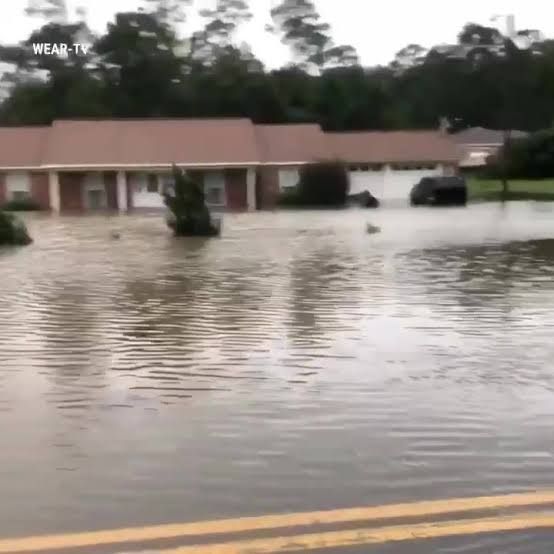
Flooding is one of the most common and costly natural disasters affecting homes and businesses in Florida. Heavy rain, tropical storms, hurricanes, overflowing lakes, or plumbing failures can all lead to significant water damage in a matter of minutes. While you can't control the weather, you can take steps to reduce the risk of costly repairs and keep your family safe. Why Flood Preparation Matters Floodwaters can damage flooring, drywall, furniture, electrical systems, and personal belongings. Even a small amount of water can create the perfect environment for mold growth within 24 to 48 hours. Preparing ahead of time can save thousands of dollars in repairs and help you recover more quickly. 1. Know Your Flood Risk Find out whether your property is located in a flood-prone area. Pay attention to weather forecasts, flood watches, and evacuation orders, especially during Florida's hurricane season. 2. Keep Gutters and Drains Clean Leaves, dirt, and debris can block gutters and storm drains, causing water to back up and enter your home. Regular maintenance helps rainwater flow away from your property. 3. Inspect Your Roof and Foundation Look for missing shingles, cracks in your foundation, or areas where water could seep inside. Repairing these issues before a storm can prevent major water intrusion. 4. Seal Doors and Windows Inspect doors and windows for gaps or damaged weather stripping. Proper sealing helps reduce the chance of water entering your home during heavy rain. 5. Protect Important Documents Keep passports, insurance policies, birth certificates, and other valuable documents in waterproof containers or digital backups stored securely online. 6. Prepare an Emergency Kit Have supplies ready before a storm arrives, including: Drinking water Non-perishable food Flashlights Extra batteries First-aid kit Phone chargers and power banks Prescription medications Important contact information 7. Move Valuables to Higher Ground If flooding is possible, move electronics, furniture, family heirlooms, and important belongings to upper floors or elevated shelves. 8. Know How to Shut Off Utilities Learn how to safely turn off your home's electricity, gas, and water if flooding becomes severe. Never enter standing water if electrical hazards are present. 9. Review Your Insurance Coverage Many homeowners are surprised to learn that standard homeowners insurance often does not cover flood damage. Review your policy and consider flood insurance if your property is at risk. What to Do After a Flood If your property experiences flooding: Stay out of standing water until it is safe. Document all damage with photos and videos. Contact your insurance company as soon as possible. Avoid using electrical appliances that have been exposed to water. Begin drying the affected areas immediately to reduce the risk of mold. Call a professional water damage restoration company for a thorough inspection and cleanup. Why Professional Water Damage Restoration Is Important Floodwater can carry bacteria, contaminants, and hidden moisture that may remain inside walls, flooring, and insulation. Professional restoration specialists use advanced moisture detection equipment, industrial drying systems, and specialized cleaning methods to restore your property safely and efficiently. A fast response can significantly reduce repair costs and help prevent long-term structural damage and mold growth. We're Here When You Need Us If your home or business has suffered water damage from flooding, storms, or plumbing failures, our experienced restoration team is available to respond quickly. We provide professional water extraction, structural drying, mold prevention, and complete restoration services to help get your property back to normal.
By Bestway Restoration July 14, 2026
Florida's rainy season brings much-needed rain, but it also increases the risk of water damage for homes and businesses. Even if your property didn't flood, heavy and persistent rainfall can allow water to enter through small roof leaks, damaged windows, foundation cracks, or clogged gutters. Unfortunately, much of this damage isn't immediately visible. At Bestway Care Carpet Cleaning & Water Damage Restoration, we've seen how a minor leak can quickly become a major restoration project when left untreated. Knowing what to look for and acting quickly can help protect your property and save you thousands of dollars in repairs. Common Signs of Hidden Water Damage After periods of heavy rain, inspect your property for these warning signs: Water stains on ceilings or walls Musty or damp odors Wet or damp carpets Warped or buckling hardwood and laminate flooring Peeling paint or bubbling drywall Mold or mildew growth Soft spots in walls or ceilings Water pooling around your home's foundation If you notice any of these issues, it's important to have your property inspected as soon as possible. Why Quick Action Matters Water damage doesn't stop once the rain ends. Moisture trapped inside walls, flooring, or insulation can continue causing damage long after the visible water has disappeared. Delaying restoration can lead to: Mold growth within 24 to 48 hours Structural damage to walls, floors, and ceilings Damage to furniture, carpets, and personal belongings Poor indoor air quality Increased repair and restoration costs The sooner professional drying and restoration begin, the greater the chance of minimizing damage and avoiding costly repairs. Professional Water Damage Restoration Makes a Difference Professional restoration companies use specialized equipment to detect hidden moisture that cannot be seen with the naked eye. Industrial air movers, dehumidifiers, and moisture meters ensure that affected areas are thoroughly dried, helping prevent mold growth and additional structural damage. At Bestway Care Carpet Cleaning & Water Damage Restoration, our restoration process includes: Comprehensive property inspection Moisture detection and damage assessment Water extraction Structural drying and dehumidification Cleaning and sanitizing affected areas Mold prevention treatments when necessary Complete restoration to help return your property to its pre-loss condition Prevent Water Damage Before the Next Storm A few simple maintenance steps can reduce your risk: Clean gutters and downspouts regularly. Inspect your roof for missing or damaged shingles. Seal cracks around windows, doors, and foundations. Check plumbing connections and appliances for leaks. Ensure your property drains water away from the foundation. Schedule regular inspections, especially during Florida's rainy season. We're Here When You Need Us Heavy rain can create unexpected problems, but you don't have to face them alone. If you've experienced water intrusion or suspect hidden moisture in your home or business, contact Bestway Care Carpet Cleaning & Water Damage Restoration. Our experienced team provides prompt, professional water damage restoration services designed to protect your property and give you peace of mind. Don't wait until a small leak becomes a major disaster.
By Bestway Restoration June 30, 2026
The body content of your post goes here. To edit this text, click on it and delete this default text and start typing your own or paste your own from a different source.
By Bestway Restoration June 23, 2026
Protecting Your Property After Water Damage
By Bestway Restoration June 17, 2026
Water Damage in Your Home? 7 Signs You Should Never Ignore Water damage is one of the most common and costly problems homeowners face. Whether caused by a leaking pipe, roof damage, appliance failure, or severe weather, water can quickly spread through your property and create serious structural issues and mold growth. If you notice any of the following warning signs, taking immediate action can help prevent more expensive repairs. 1. Water Stains on Walls or Ceilings Brown or yellow discoloration on ceilings and walls often indicates hidden water leaks. Even small stains can signal a larger issue behind the surface. Common Causes: Roof leaks Plumbing leaks HVAC problems Overflowing appliances 2. Musty Odors A persistent musty smell is often the first sign of hidden moisture and mold growth. Mold can begin developing within 24–48 hours after water intrusion. Areas to Check: Bathrooms Kitchens Basements Crawl spaces Behind cabinets 3. Peeling Paint or Bubbling Drywall Moisture trapped inside walls causes paint to bubble and drywall to swell. These signs should never be ignored because the damage may continue spreading unseen. 4. Warped Floors Wood flooring, laminate, and vinyl can buckle, warp, or separate when exposed to excess moisture. Soft spots on floors may indicate water damage underneath. 5. Increased Water Bills An unexpected increase in your monthly water bill could point to a hidden plumbing leak that is wasting water and damaging your property. 6. Mold Growth Visible mold is a sign that moisture has been present for some time. Mold not only damages building materials but can also affect indoor air quality. Common Places Mold Appears: Around windows Bathrooms Under sinks Laundry rooms Attics 7. Standing Water After Storms or Pipe Bursts Flooding and burst pipes require immediate professional attention. Delaying cleanup can result in: Structural damage Electrical hazards Mold contamination Damage to furniture and belongings Why Professional Water Damage Restoration Matters Many homeowners attempt to clean up water damage themselves, but hidden moisture can remain behind walls and under flooring. Professional restoration companies use advanced moisture detection equipment, industrial drying systems, and specialized cleaning techniques to ensure your property is properly restored. Professional restoration services include: ✅ Emergency water extraction ✅ Structural drying and dehumidification ✅ Moisture detection ✅ Mold prevention ✅ Sanitization and odor removal ✅ Reconstruction and repairs Don't Wait Until Minor Damage Becomes a Major Problem The sooner water damage is addressed, the better the chances of minimizing repairs and protecting your home. Need Fast Water Damage Restoration in Orlando? Bestway Care Carpet Cleaning & Water Damage Restoration provides professional emergency services for homeowners, property managers, realtors, and businesses throughout Central Florida. Our Services Water Damage Restoration Flood Cleanup Leak Detection Structural Drying Mold Prevention Carpet Cleaning Tile and Grout Cleaning Upholstery Cleaning 
By Bestway Restoration May 21, 2026
A burst pipe can turn a normal day into a stressful emergency within minutes. Water damage spreads quickly, affecting floors, walls, furniture, electrical systems, and even your home’s structure. Acting fast can dramatically reduce repair costs and prevent mold growth. Here’s a practical step-by-step guide on what to do immediately after a pipe bursts. 1. Shut Off the Water Supply Immediately The first priority is stopping the flow of water. Locate your home’s main water shut-off valve and turn it off right away. In most homes, it’s located: Near the water meter In a basement or crawl space Along an exterior wall In a utility room or garage If the burst is isolated to a single fixture, you may be able to shut off only that section instead of the entire home. The faster you stop the water, the less damage your home will suffer. 2. Turn Off Electricity in Affected Areas Water and electricity are a dangerous combination. If water is near: Electrical outlets Appliances Breaker panels Extension cords turn off power to the affected area from your electrical panel. Do not stand in water while handling electrical switches. If you’re unsure whether it’s safe, contact an electrician or emergency services. 3. Drain Remaining Water From Pipes After shutting off the main valve, open all cold-water faucets to drain remaining water from the system. Then: Flush toilets Open hot-water taps Turn off the water heater if necessary This helps relieve pressure in the plumbing system and minimizes additional leaking. 4. Find the Burst Pipe Inspect your home to locate the damaged pipe. Common signs include: Water stains Bulging ceilings Damp drywall Puddles Reduced water pressure Hissing or dripping sounds Burst pipes commonly occur: Under sinks Inside walls In attics In basements Near exterior walls during freezing temperatures Take photos of the damage for insurance documentation. 5. Call a Licensed Plumber Even small pipe bursts can worsen if improperly repaired. A professional plumber can: Repair or replace damaged pipes Inspect for hidden leaks Check water pressure Prevent future failures If the damage is severe, look for emergency plumbing services that offer 24/7 support. 6. Start Removing Water Immediately Standing water can cause structural damage and mold growth in as little as 24–48 hours. Use: Towels and mops Wet/dry vacuums Fans Dehumidifiers Move furniture, rugs, electronics, and valuables away from wet areas whenever possible. For major flooding, professional water mitigation services may be necessary. 7. Prevent Mold Growth Moisture trapped behind walls and under flooring creates the perfect environment for mold. To reduce the risk: Increase airflow with fans Run dehumidifiers continuously Remove soaked carpeting or insulation Dry affected areas thoroughly If you notice musty odors or visible mold, contact a mold remediation specialist. 8. Contact Your Insurance Company Many homeowners insurance policies cover sudden water damage from burst pipes, though coverage varies. When filing a claim: Document all damage with photos and videos Keep receipts for emergency repairs Record conversations with contractors and insurers Be prepared to explain: When the pipe burst What caused it What actions you took immediately afterward 9. Inspect for Long-Term Damage Even after repairs are complete, monitor your home for lingering issues such as: Warped flooring Peeling paint Ceiling stains Persistent dampness Musty smells These may indicate hidden water damage that requires additional repairs. 10. Prevent Future Pipe Bursts Once the emergency is over, take steps to reduce the risk of another burst pipe. Prevention Tips Insulate exposed pipes Keep indoor temperatures consistent during winter Seal drafts near plumbing Let faucets drip during freezing weather Replace aging pipes Schedule regular plumbing inspections Preventive maintenance is far less expensive than emergency water damage restoration. Final Thoughts A burst pipe can feel overwhelming, but quick action makes a major difference. Shutting off water, protecting your home from further damage, and calling the right professionals can save thousands in repairs. Preparation also matters. Knowing where your shut-off valve is and understanding the basics of emergency response can help you act confidently when every minute counts. The sooner you respond, the better your chances of minimizing damage and getting your home back to normal quickly. 
More Posts