
The Dangers of Mold in Work Areas
New Title
Mold in the workplace is a serious issue that should never be ignored. Whether it is found in an office, warehouse, retail store, school, or commercial building, mold can affect indoor air quality, damage building materials, and create an unhealthy environment for employees and visitors.
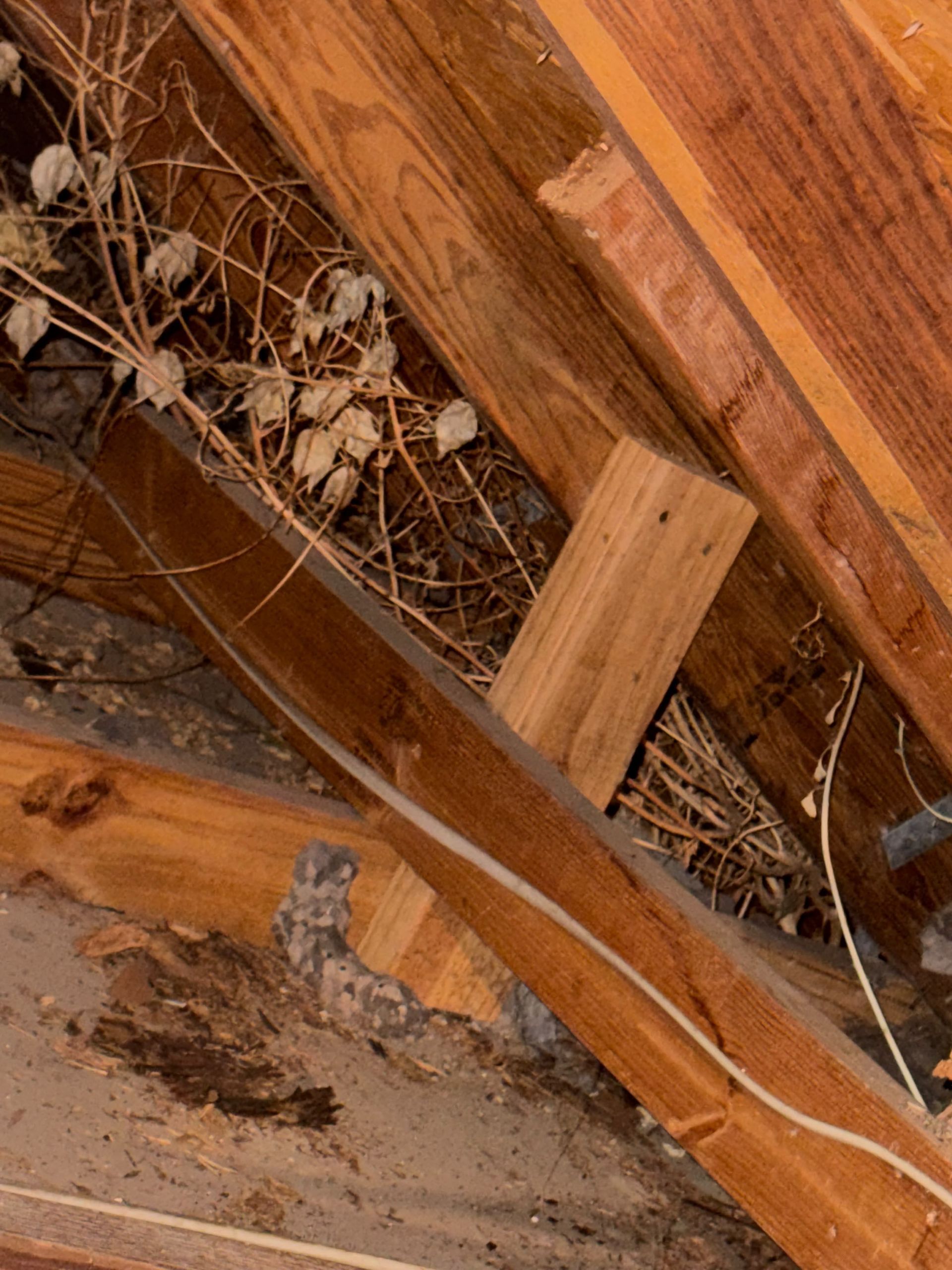
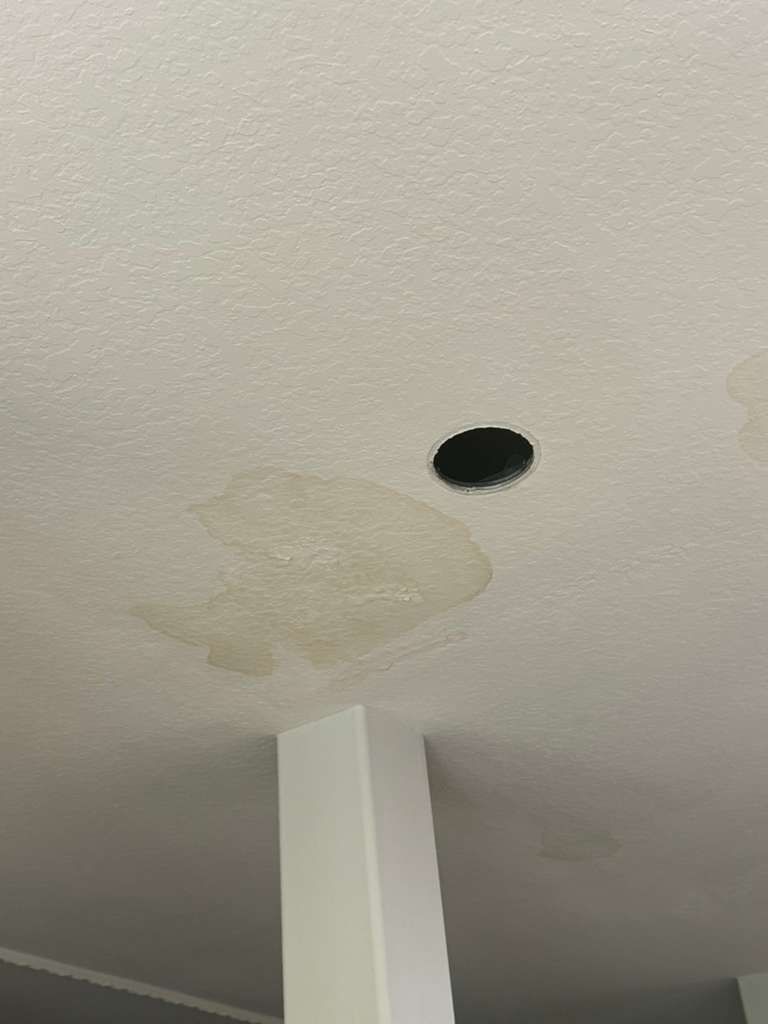
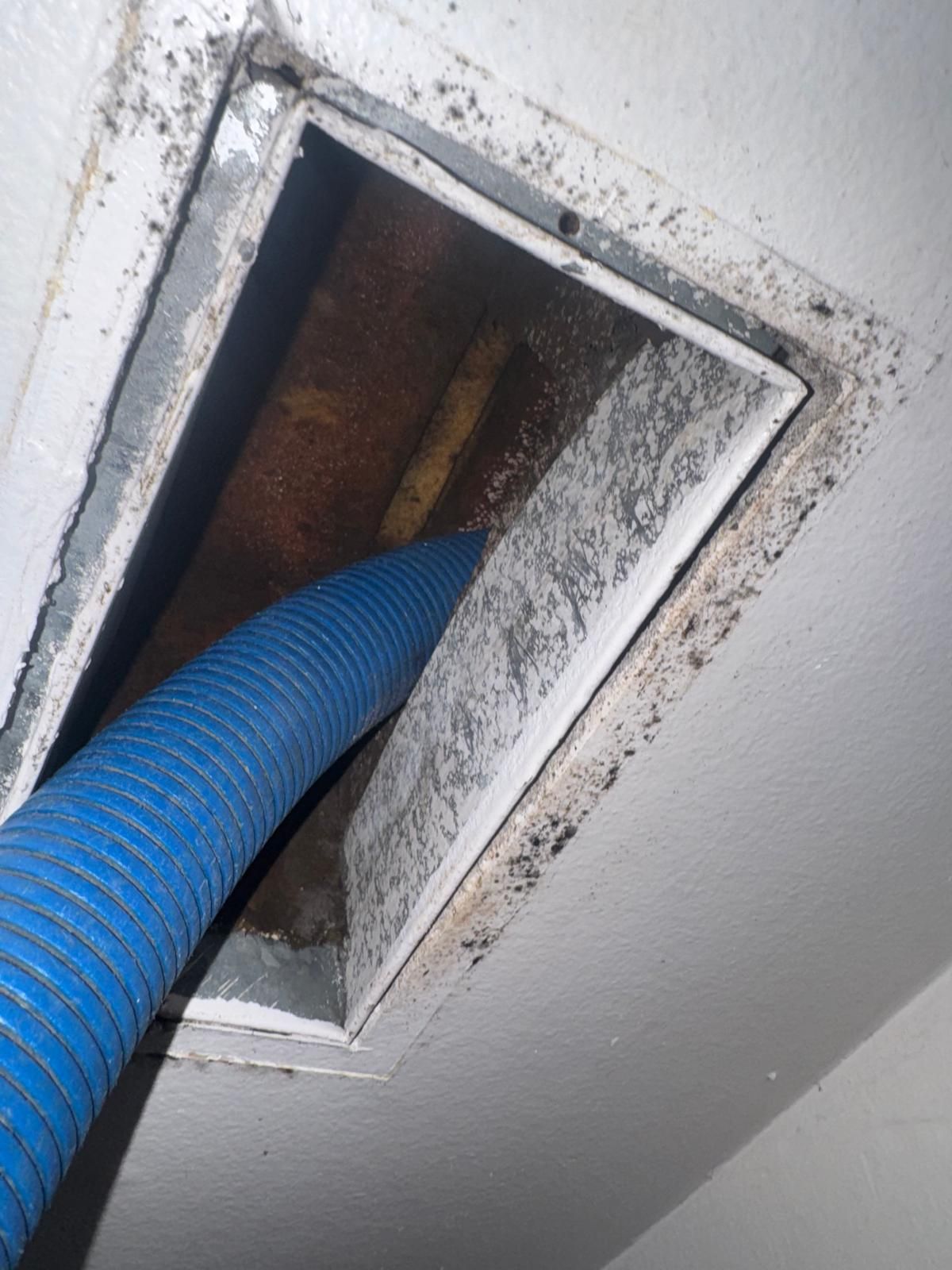
Mold often develops after water damage, plumbing leaks, roof leaks, flooding, high humidity, or problems with HVAC systems. Because mold can grow in hidden areas, a problem may exist behind walls, under flooring, above ceilings, or inside air ducts before it becomes visible.
How Mold Can Affect the Workplace
Exposure to mold may cause symptoms in some individuals, including:
- Nasal congestion and throat irritation
- Coughing or wheezing
- Eye or skin irritation
- Allergy symptoms
- Increased respiratory discomfort, especially for sensitive individuals
Employees who spend many hours inside the building may be exposed to poor indoor air conditions if moisture and mold problems are not properly addressed.
Signs of a Possible Mold Problem
Business owners and property managers should pay attention to warning signs such as:
- A persistent musty or unpleasant odor
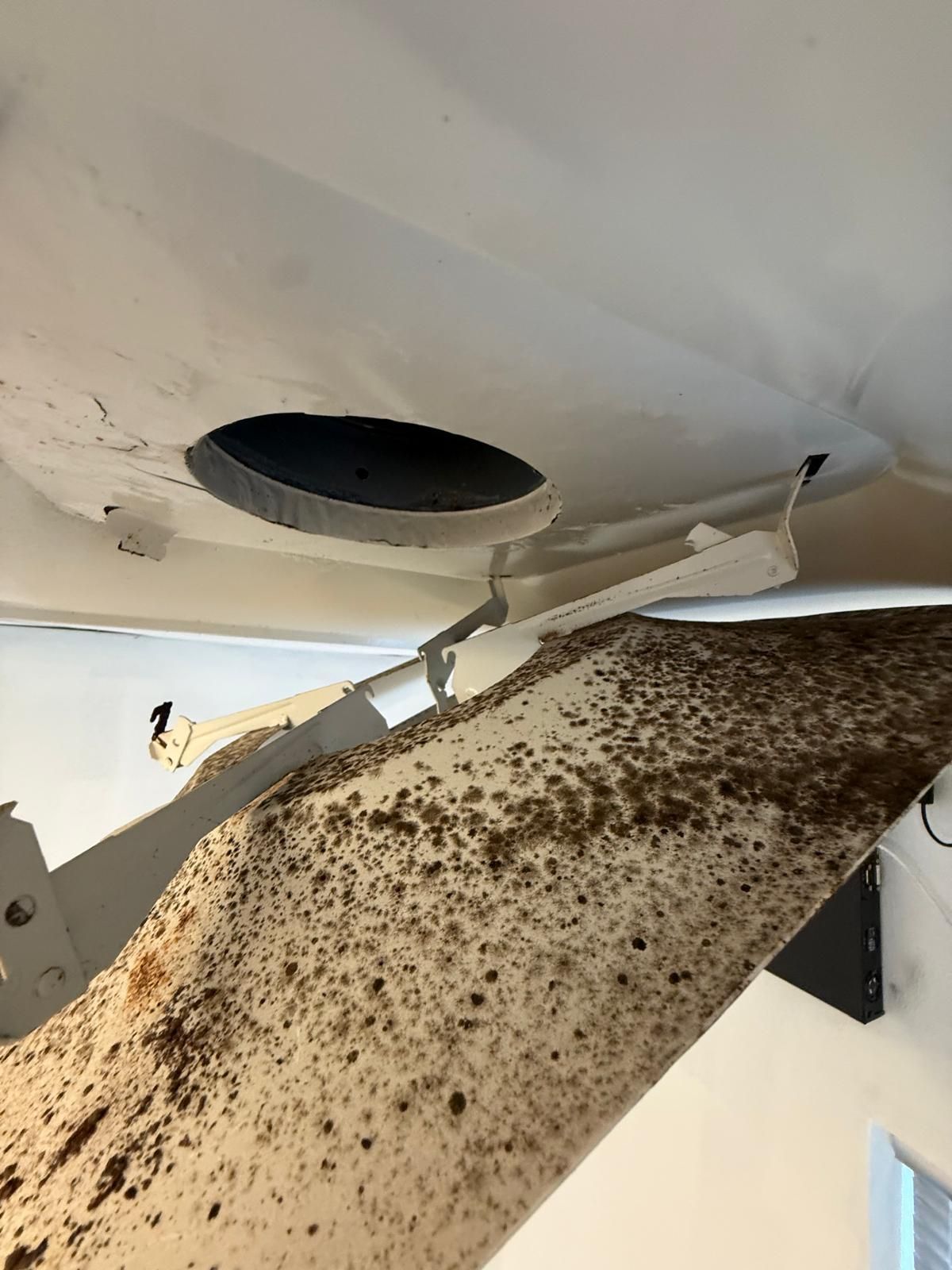
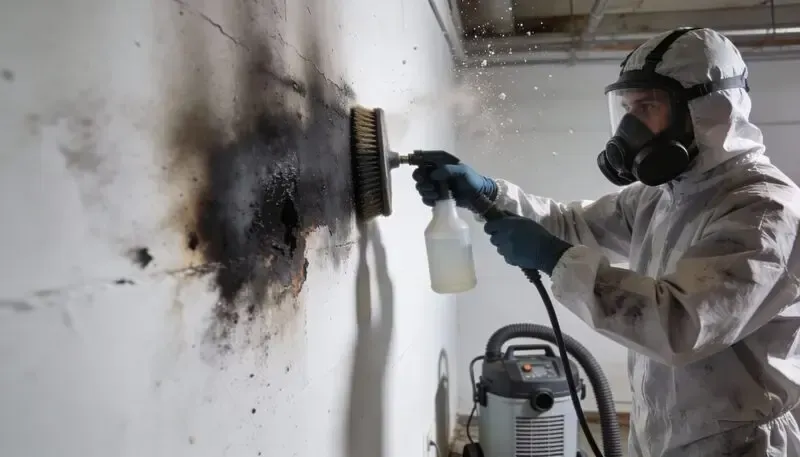
- Visible mold growth on walls, ceilings, or other surfaces
- Water stains or discoloration
- Previous flooding or water damage
- Leaking pipes or roofs
- Excessive humidity or condensation
- Damaged drywall, flooring, or ceiling materials
Ignoring these signs can allow the moisture problem and mold growth to continue spreading.
Mold Can Damage Your Property
In addition to potential health concerns, mold can cause significant damage to commercial properties. Materials such as drywall, insulation, carpeting, wood, and ceiling tiles can absorb moisture and support mold growth. If the problem is not addressed quickly, affected materials may require professional cleaning, removal, or replacement.
A mold problem can also disrupt business operations, affect employee productivity, and create concerns for customers and visitors.
The Importance of Addressing Moisture Quickly
The key to controlling mold is controlling moisture. Simply cleaning visible mold may not solve the problem if the source of water or humidity remains.
A proper response may include identifying the moisture source, drying affected areas, inspecting hidden spaces, cleaning or removing contaminated materials when necessary, and taking steps to prevent future moisture problems.
Protect Your Workplace
If you notice signs of water damage or possible mold in your workplace, it is important to act quickly. A professional inspection can help identify the source of the problem and determine the appropriate steps for cleanup and remediation.
A clean, dry, and well-maintained workplace helps protect your property, employees, and visitors. Don't wait for a small moisture problem to become a larger mold issue.